Meerschaum Mining & Export History Part 1
Posted by Burak Servi on 31st May 2026
Q: In the past, carvers of meerschaum pipes could be found in various countries. Does Turkey currently allow meerschaum that is mined there to be exported?
A:I separate the timeline of raw-meerschaum export in to three:
18th and 19th century:
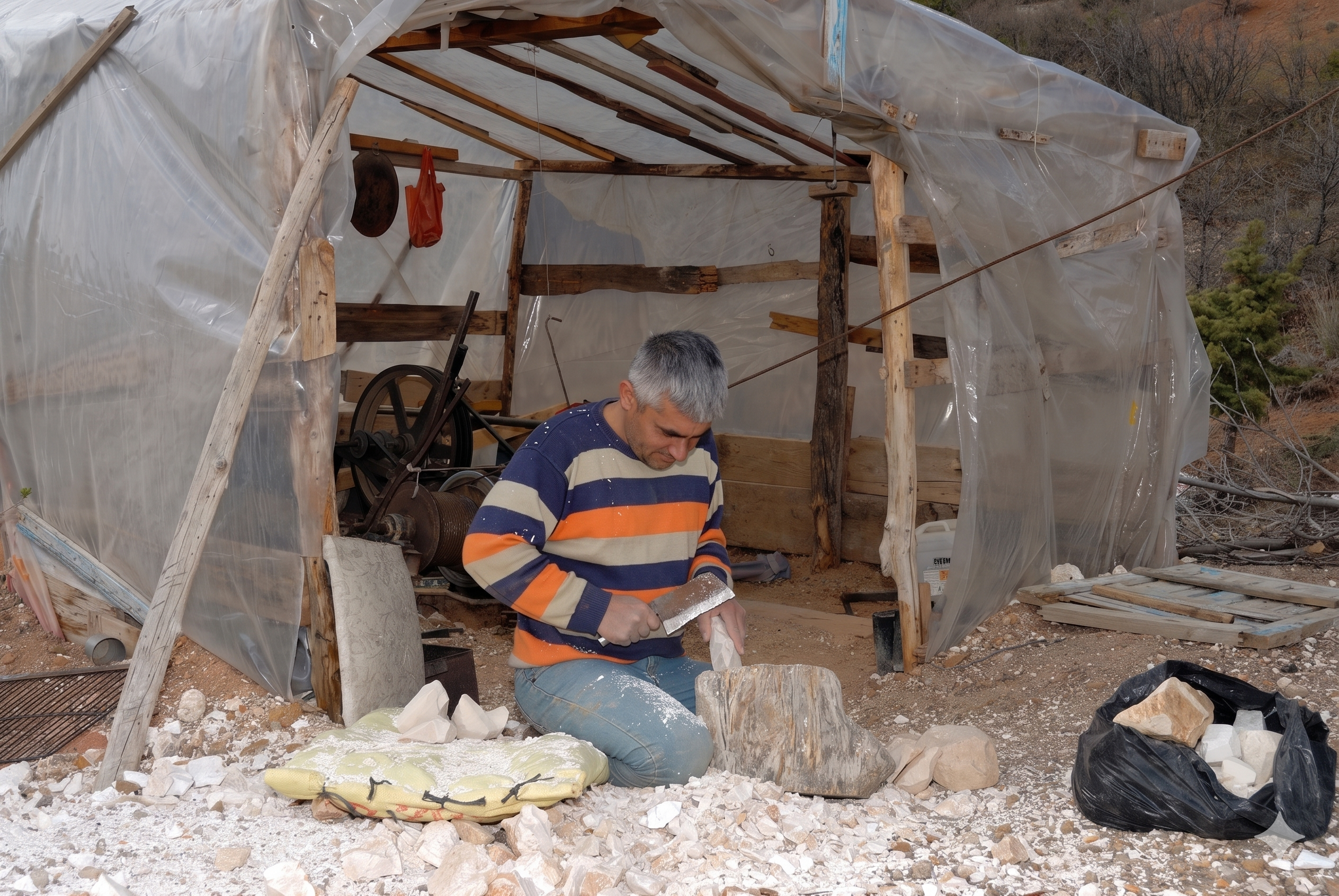
Meerschaum was one of the first export materials for the Ottoman Empire. Meerschaum became famous 1800s when the demand for finely carved pipes grew. Turk’s (Ottoman’s) role was only limited to mining and exporting raw meerschaum material to Austria mainly in those days. Most of the carvers were located at Vienna, Austria. Between mid 18th century to late Ottoman Era, meerschaum was considered a strategic resource. To preserve domestic craftsmanship and prevent foreign monopolies, Ottoman authorities at times restricted or heavily taxed raw lump exports, encouraging local artisanship. In the late Ottoman era, betweenlate 1800s to 1923 when the current Turkish Republic had been established, meerschaum was considered a strategic resource. Meerschaum had been exported to Austria in massive amounts. It was told that about 10.000 workers were working at the meerschaum mines in Eskisehir, Turkey. Most of these people were migrants from the Eastern regions to Eskisehir only for meerschaum mining. The meerschaum workshops in Eskisehir during 1800s were kind of raw-meerschaum cleaning facilities. Many workers were sitting next to each other at those workshops and cleaning the underground dirt on the raw material and passing to the next person for the next level of cleaning. After the dirt cleaning process, they were buffering the raw meerschaum with long loofahs made out of hard wool felt. The mined meerschaum material was first cleaned from the dirt and buffered with those wood felt loofahs and they were loaded into coffin-looking and coffin sized wooden boxes. Meerschaum traders were placing hundreds of those wooden coffin boxes into the wood rail cars to export.
Despite these restrictions, large amounts of raw meerschaum still flowed to Vienna, which became
the European hub of meerschaum pipe-making in the 19th century encouraging local artisanship.
The country was struggling with the wars, export regulations were not in the focus of the government.